


Used Cooking Oil Theft: What Restaurants Need to Know
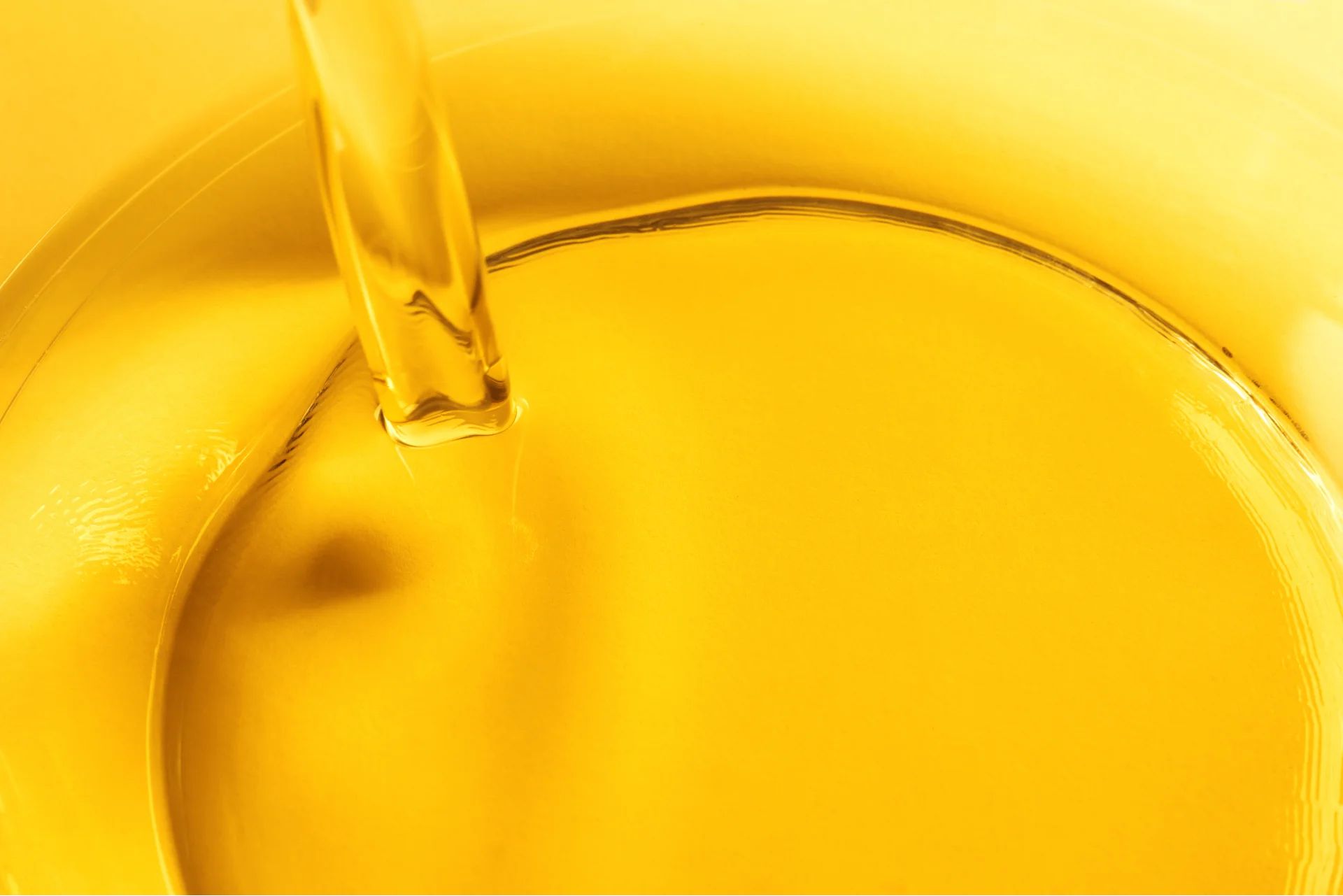
Used cooking oil has become increasingly valuable. Once treated as a waste product, it is now collected, processed, and recycled into renewable diesel, biodiesel, animal feed, industrial products, and other useful materials.
That value has also made it a target. The North American Renderers Association now estimates annual U.S. used cooking oil theft losses at $300 million to $500 million, with the true scale potentially higher when underreporting and broader supply-chain losses are considered. Source: NARA press release.
For restaurants, grease theft can mean lost rebate value, damaged locks, cut tanks, missing service records, grease spills, pest issues, safety hazards, and messy cleanup problems.
Concerned About Used Cooking Oil Theft?
Baker Commodities helps restaurants protect used cooking oil with theft-resistant equipment options, secure outdoor containers, indoor containment tanks, lock systems, documented schedules, and professional uniformed drivers in clearly branded Baker trucks.
Helpful links: View outdoor containment and pipe locks | View indoor containment tanks | Contact Baker
Why Used Cooking Oil Has Become a Theft Target
Used cooking oil is valuable because it can be recycled into renewable fuels and other commercial products. As demand for renewable diesel, biodiesel, and low-carbon feedstocks has increased, used cooking oil has become more attractive to unauthorized collectors and organized theft groups.
Restaurants are often targeted because oil is stored outside, pickups may happen after hours, and staff may not always know what an authorized collection vehicle or driver should look like.
How to Spot Used Cooking Oil Theft
Used cooking oil theft often happens late at night, early in the morning, or during busy service periods when staff are not watching the oil storage area. Thieves may arrive in unmarked trucks or vans, use hoses or pumps, open or damage containers, and leave quickly.
- Broken or cut locks
- Damaged lids, hinges, grates, piping, or containers
- Cut tanks or tampered access points
- Grease spills, oil trails, or messy pavement around the storage area
- Unexpectedly low oil levels before a scheduled pickup
- Unknown vehicles or unmarked trucks near the grease container
- Individuals claiming to be your pickup provider but arriving outside the normal schedule or without proper identification
Train staff to verify pickup schedules and to recognize the approved service provider. A legitimate Baker pickup should be associated with Baker’s known service schedule, professional-looking Baker trucks with Baker brown fenders and logos, and uniformed drivers wearing Baker logos.
Why Used Cooking Oil Theft Is a Problem for Restaurants
- Direct revenue loss: Many restaurants receive rebates, service credits, or other value through their used cooking oil collection agreement. When oil is stolen, that value can disappear.
- Property damage: Thieves may cut locks, damage lids, cut tanks, break containment systems, or damage piping while trying to access oil.
- Grease spills and cleanup costs: Unauthorized collectors often leave spills, oil trails, and messy areas behind. That creates cleanup work and can lead to sanitation or safety concerns.
- Slip-and-fall risk: Grease around containers, alleys, loading areas, and parking lots can create hazards for employees, vendors, landlords, and customers.
- Pest and odor issues: Spilled oil and unsecured lids can attract insects, rodents, raccoons, and other pests.
- Service record confusion: If oil is missing before the authorized pickup, records and pickup volumes may not match expectations.
- Operational disruption: When storage areas are damaged or messy, managers may need emergency cleanup, container repair, or schedule changes.
The Grease Theft Prevention Stack
Verify
Know the approved provider, pickup window, and driver expectations.
Baker: branded trucks, logos, uniformed drivers, documented schedules.
Secure
Use containers, locks, grates, and piping protection.
Baker: outdoor containment, lock systems, pipe locks, theft-resistant options.
Control Access
Place containers in visible areas, limit after‑hours access.
Baker: equipment recommendations based on site layout and volume.
Move Indoors
Consider indoor tanks when outdoor theft risk is high.
Baker: indoor containment tanks, stainless steel options, portable UCO systems.
Document
Track pickups, suspicious activity, damage, service history.
Baker: service documentation and customer support for account records.
How Baker Commodities Helps Restaurants Reduce Grease Theft Risk
A professional grease collection provider should do more than pump oil. Baker helps restaurants make the used cooking oil process more secure, more visible, and easier for staff to verify.
- Clean, clearly branded trucks: Baker drivers arrive in professional-looking trucks with Baker brown fenders and visible Baker logos, helping staff distinguish authorized service from suspicious activity.
- Uniformed drivers: Baker drivers wear clean uniforms with Baker logos, giving managers another simple way to verify the pickup provider.
- Secure outdoor containers: Baker offers outdoor containment options for different volume needs, along with security-focused equipment such as locks and pipe locks.
- Locks, grates, and pipe protection: Lock systems, grates, and pipe locks can help limit unauthorized access and reduce tampering risk.
- Indoor containment tank options: For restaurants with repeated theft issues or space to move oil indoors, Baker can discuss indoor tank systems, including durable stainless steel-style containment options and portable UCO systems.
- Consistent schedules: A regular service schedule makes it easier for staff to know when a legitimate pickup should happen.
- Documentation and customer support: Service records and customer support help restaurants understand when authorized pickups occurred and what to report if theft is suspected.
Recommended Baker pages to link in this article: Grease Collection | Outdoor Containment & Pipe Locks | Indoor Containment Tanks | Total Grease Management®.
Make Authorized Pickups Easy to Identify
If your team is unsure who is servicing your oil container, your theft risk goes up. Baker helps create a clearer process with branded trucks, uniformed drivers, scheduled pickups, secure equipment, and support when something looks wrong.
Helpful links: Contact Baker about grease theft prevention | Explore secure equipment
Practical Steps Restaurants Can Take to Prevent Used Cooking Oil Theft
- Use a secure collection container that fits your grease volume.
- Ask about theft-resistant lids, lock systems, grates, pipe locks, and other site-specific equipment.
- Consider indoor containment tanks if your outdoor container has been repeatedly targeted.
- Place containers in visible, well-lit areas when possible.
- Limit access to oil storage areas after hours.
- Install cameras or aim existing cameras toward the container and service area.
- Post the approved pickup schedule where managers and shift leads can see it.
- Train staff to look for Baker-branded trucks, Baker logos, uniformed drivers, and expected pickup timing.
- Keep service records and pickup history organized.
- Report suspicious activity, unknown vehicles, damaged locks, cut tanks, or spills immediately.
Staff Verification Checklist
Use this quick checklist to help employees verify a used cooking oil pickup:
- Is the pickup happening during the expected service window?
- Is the truck clearly branded with the Baker logo and Baker brown fenders?
- Is the driver wearing a clean Baker uniform with Baker logo identification?
- Does the driver know the account, container location, and pickup process?
- Is the vehicle unmarked, unfamiliar, or arriving outside the schedule?
- Is anyone trying to rush staff, avoid questions, or access the container without permission?
- If something seems wrong, stop and contact Baker or a manager before allowing access.
What to Do If You Suspect Used Cooking Oil Theft
- Document the situation: Take photos of damaged locks, cut tanks, spills, oil levels, vehicle tracks, and any tampered equipment.
- Check security footage: Look for unknown vehicles, after-hours activity, or people accessing the container outside the authorized schedule.
- Contact Baker Commodities: Ask Baker to confirm the last authorized pickup and discuss equipment or service adjustments.
- Report the theft: If oil was stolen or property was damaged, report the incident to local law enforcement, property management, or your landlord.
- Clean spills quickly: Block off unsafe areas and clean grease spills promptly to reduce slip hazards, pest issues, odors, and inspection concerns.
- Update the prevention plan: Improve lighting, camera coverage, locks, staff training, or container placement after an incident.
📌 The Bottom Line
Used cooking oil theft is no longer a minor nuisance. It can create financial loss, property damage, safety hazards, pest pressure, documentation confusion, and emergency cleanup needs. A prevention plan should combine secure equipment, trained staff, reliable schedules, clean and recognizable service vehicles, and fast support when something looks suspicious. Baker Commodities provides all these layers as part of a comprehensive theft-deterrent strategy.
Protect Your Used Cooking Oil With Baker Commodities
If your restaurant has experienced grease theft, damaged containers, cut locks, spills, or suspicious pickups, contact Baker Commodities. We can review your current equipment, discuss indoor or outdoor containment options, help your team recognize authorized service, and build a more secure collection schedule.
Used cooking oil theft is no longer a minor nuisance. It can create financial loss, property damage, safety hazards, pest pressure, documentation confusion, and emergency cleanup needs. A prevention plan should combine secure equipment, trained staff, reliable schedules, clean and recognizable service vehicles, and fast support when something looks suspicious.