







Find Services In Your Area

Find Services In Your Area

Simplify Your Life With One Call, One Bill, One Email, One Company

Baker Commodities, Inc. is dedicated to saving the environment by finding sustainable ways to support the food production and restaurant industries. Want to know more about what makes us tick or about our munchkin friendly commitment?

About Us

Our Services

How We Do Our Thing

Service with “quality and pride… worldwide”

Baker Commodities, Inc. has been providing superior services to the agriculture, food production and food service industries for more than 75 years. We pride ourselves on being sustainable by recycling food by-products and used cooking oil into a variety of valuable products.

Baker Commodities, Inc. offers services in rendering, restaurant grease collection, jetting and fat and bone collection.

View our Services

Our Products

Cool Stuff We Offer

We recycle animal by-products and kitchen waste into valuable products that can be used to feed livestock, power vehicles, and act as a base for everyday items.

Our products include feeding fats, tallow, protein meal, and yellow grease. We also prepare hides for the leather manufacturing industry and supply the ingredients for biodiesel production to facilities around the world.

View our products

Our Equipment

Tools of the Trade

Our equipment options safely and efficiently contain and transport used cooking oil for recycling, and monitor, filter and dispense fresh oil for everyday use. Our durable, leak-proof collection equipment will fit just about any space and keep your kitchens and waste areas clean and safe. Our drain filtering and lock systems will also keep your pipes clean, and help to eliminate grease theft.

Our equipment is available to customers of Baker Commodities, Inc. services and may not be available in all areas. Some equipment may require additional costs and/or service agreements.

View our Equipment

flower Image

Baker Commodities makes every day a "world environment day"

What we're up to

Grease Management and Health Department Compliance

✔️ Quick summary: A complete grease management system used oil collection, trap pumping, drain care, and documentation is essential for passing health inspections, avoiding fines, and keeping your kitchen running without disruptions. Grease management is not just one back-of-house task. For a commercial kitchen, it includes used cooking oil collection, grease trap and interceptor service, […]

Read More
Used Cooking Oil Theft: What Restaurants Need to Know

✔️ Quick summary: Used cooking oil theft costs restaurants up to $500 million annually. Thieves target unsecured outdoor containers, causing lost revenue, property damage, spills, and safety hazards. A combination of secure equipment, branded service vehicles, and trained staff can prevent theft. Used cooking oil has become increasingly valuable. Once treated as a waste product, […]

Read More
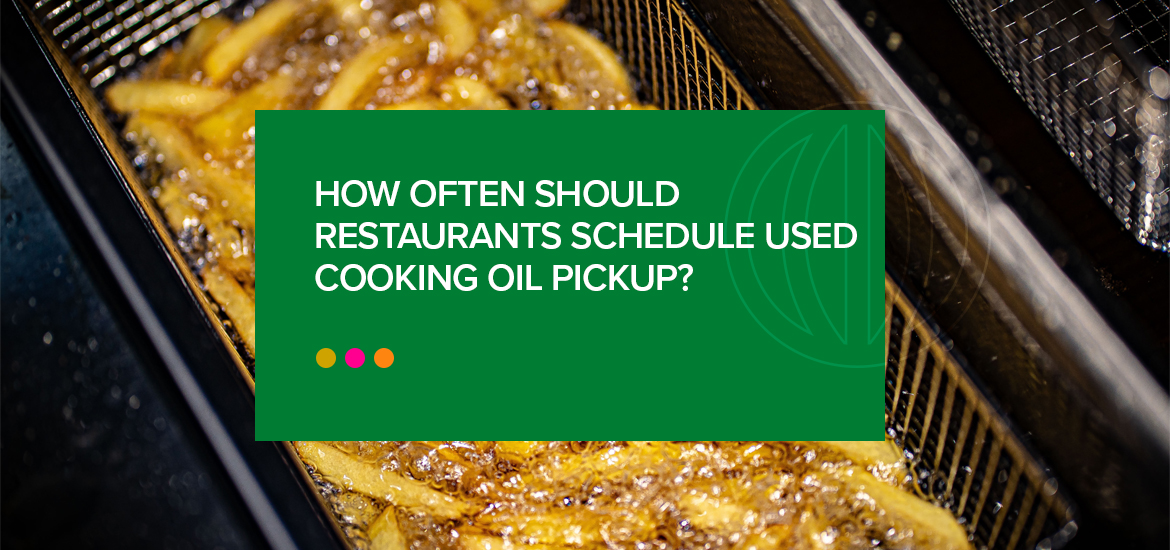
Restaurant fryer blog graphic about scheduling used cooking oil pickup and maintaining reliable grease collection service.

How Often Should Restaurants Schedule Used Cooking Oil Pickup?

If you manage a restaurant, you’re already balancing a lot: staffing, food quality, equipment, inspections, and delivering a great customer experience. Keeping everything running well takes attention to many small but important details. One of those details is used cooking oil pickup. When the schedule is set up correctly, it supports your operation by keeping […]

Read More
Restaurant kitchen blog graphic about used cooking oil storage best practices, safe handling, and grease collection.

How to Store Used Cooking Oil: Best Practices for Restaurants

Running a restaurant means managing a lot of moving parts. From staffing and inventory to food quality and customer service, every detail matters. One operational task that often gets less attention, but is just as important, is how your restaurant stores used cooking oil. The good news is that storing used cooking oil safely and […]

Read More
Restaurant waste management blog graphic covering grease collection, used cooking oil pickup, and recycling services.

What Are the Best Waste Management Services for Restaurants?

Running a restaurant comes with constant pressure. Your team is moving fast, your kitchen never stops, and every day brings something new to manage. In the midst of it all, waste is one of the things that may seem insignificant until it suddenly causes bigger problems. When trash piles up, grease traps clog or used […]

Read More
Restaurant owner guide to preventing used cooking oil contamination and improving UCO recycling rebate potential.

The Restaurant Owner’s Guide to Preventing UCO Contamination and Maximizing Rebate Potential

High-quality used cooking oil isn’t necessarily landfill-bound — it’s a valuable resource when handled correctly. Food service businesses can turn UCO into a sustainable revenue source by recycling it for feedstocks and renewable fuels. However, contamination from food particles or improper storage can quickly reduce its rebate potential. Understanding what impacts UCO quality and how […]

Read More
Blog graphic explaining responsible restaurant cooking oil disposal, used cooking oil collection, and grease recycling options.

What Are the Different Ways to Dispose of Cooking Oil for a Restaurant?

Improper cooking oil disposal can lead to a range of environmental issues, expensive plumbing repair work and reputational damage to your restaurant. From polluting waterways to causing clogs and costly repairs, putting cooking oil down the drain leads to significant problems. This guide explains how proper cooking oil disposal benefits the environment, while also delivering […]

Read More
Blog graphic showing used cooking oil with text about the journey from restaurant collection to recycling plant.

The Journey of UCO: From Restaurant to Recycling Plant

When incorrectly disposed of, used cooking oil (UCO) can clog sewer systems and drains and contaminate water sources. When it decomposes in landfills or is burned, it contributes significantly to greenhouse gas emissions and air pollution. Your business can also incur some hefty fines and penalties due to noncompliance. With that in mind, proper grease collection, transportation […]

Read More
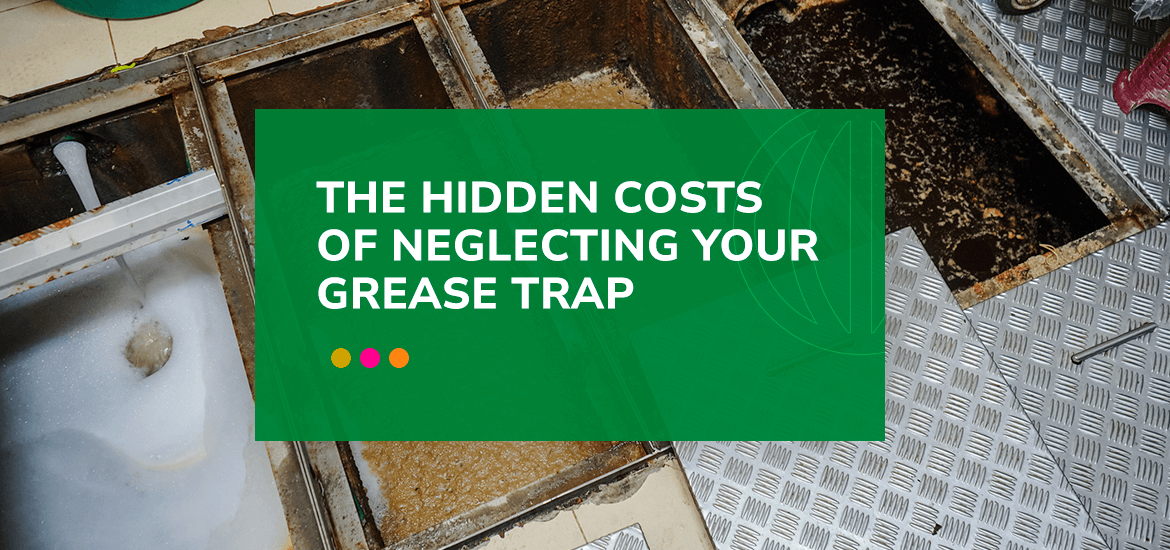
Blog graphic showing dirty grease traps with text about the hidden costs of neglecting grease trap maintenance.

The Hidden Costs of Neglecting Your Grease Trap

While you know the importance of not pouring grease down the drain, some will inevitably make its way into your plumbing system, especially if you work in a large commercial kitchen. That’s where your grease trap comes in. However, a grease trap is not a one-and-done solution — it requires periodic maintenance to stay functional. Ignoring […]

Read More
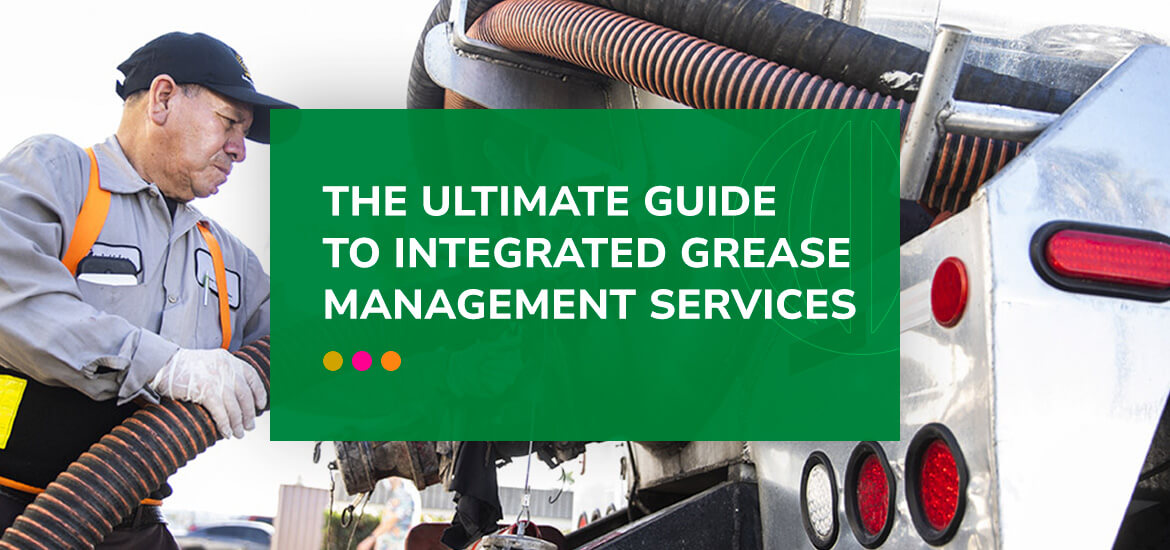
Blog graphic showing a technician servicing a grease truck with text about integrated grease management services.

The Ultimate Guide to Integrated Grease Management Services

In the hospitality, grocery and food production industries, managing grease and oil by-products isn’t optional — it’s essential. From preventing pipe blockages to staying compliant with local regulations, how your facility handles used cooking oil, grease traps and wastewater systems can significantly impact operations. That’s where integrated grease management comes into play. Instead of working with […]

Read More
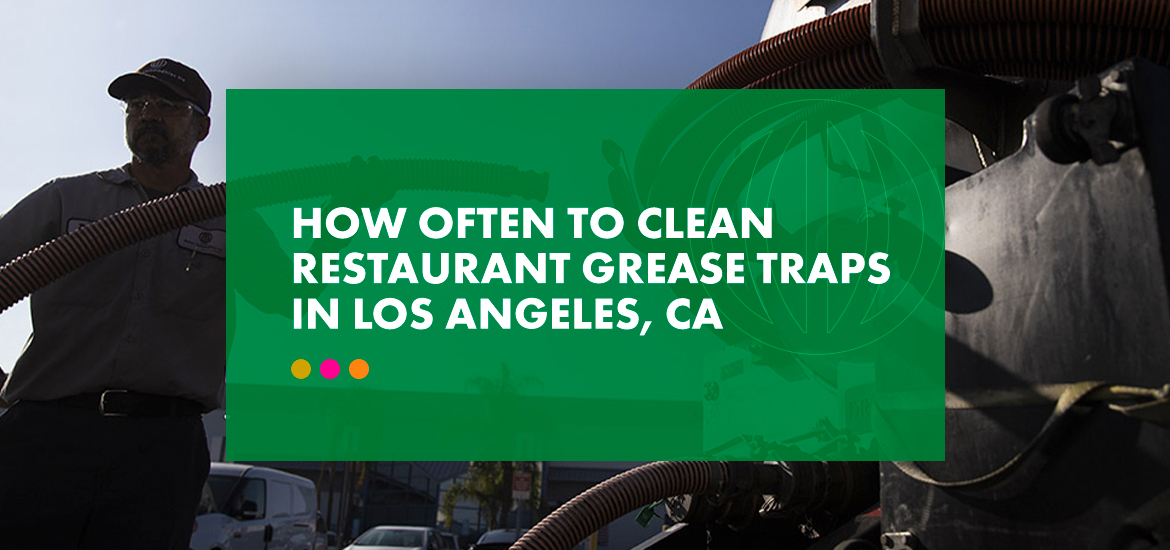
Blog graphic showing a grease service truck with text about how often to clean restaurant grease traps in Los Angeles.

How Often to Clean Restaurant Grease Traps in Los Angeles, CA

Grease traps are mandatory for all food service businesses in LA to decrease the amount of fats, oils, grease and solid waste entering the city’s sewer line. Improper grease trap cleaning can cause clogs in plumbing lines, slow drains and overflow. The Los Angeles Sanitation Department requires all food establishments to clean their grease traps and interceptors […]

Read More
Blog graphic showing hot cooking oil with text about the economic benefits of grease recycling for businesses.

What Are the Economic Benefits of Grease Recycling for Businesses?

When most people think about recycling grease, they often consider the environmental advantages. Many don’t realize the economic benefits of grease recycling for businesses like restaurants and hotels. What’s the Challenge With Grease? Grease is a residue that remains after cooking or processing oils, fats and animal products. It’s a natural part of the cooking process. The challenge […]

Read More
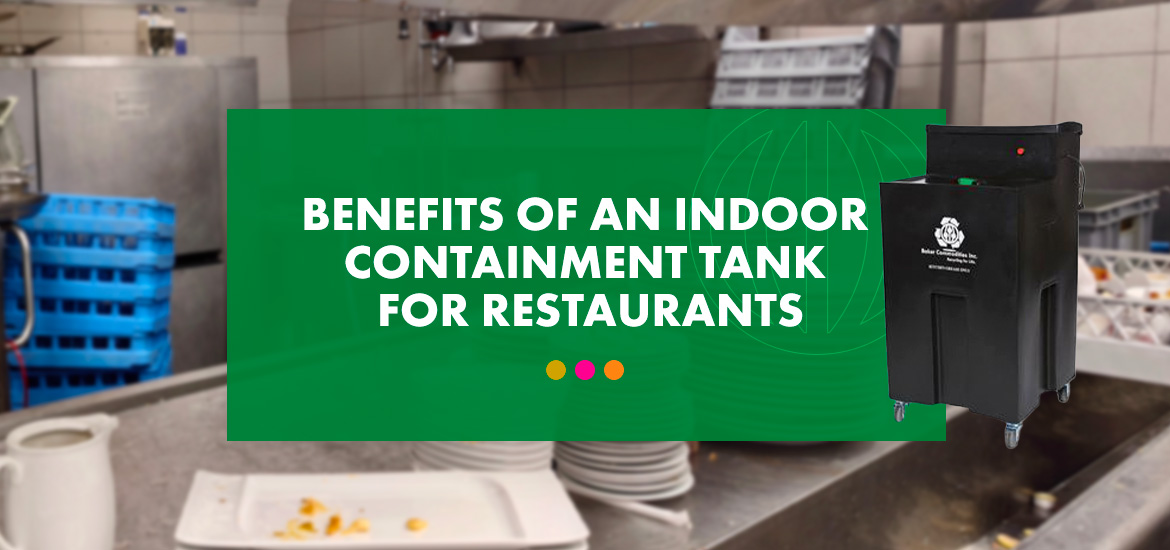
Blog graphic showing a Baker Commodities indoor containment tank with text about benefits for restaurants.

Benefits of an Indoor Containment Tank for Restaurants

Managing waste effectively is crucial for restaurants that want to maintain high operational standards and a positive reputation. An indoor containment tank offers numerous benefits that address common waste management challenges and contribute to smoother, safer and more efficient operations. Minimal or No Handling of Hot Waste Shortening An indoor containment tank makes it possible […]

Read More
Blog graphic showing meat processing with text about the role of rendering in sustainable food waste management.

The Role of Rendering in Sustainable Food Waste Management

We throw away billions of pounds of unused food every year. Finding sustainable practices to decrease food waste is essential for protecting the environment, and animal rendering offers a promising option. Understanding Fat and Meat Rendering Fat and meat rendering, or animal rendering, involves converting animal by-products into usable resources. It allows us to get more use […]

Read More
Food waste blog graphic covering collaborative strategies for restaurant food waste reduction and recycling.

Collaborative Strategies for Effective Food Waste Reduction

Food waste is a considerable challenge affecting everyone on a social, environmental and humanitarian level, from governments and corporations to individuals. Understanding what collaborative strategies for reducing food waste exist and exploring how we can implement them is key to achieving this goal and improving how we address it in the future. What Is Effective […]

Read More
Chef preparing food in a restaurant kitchen supported by used cooking oil collection and grease management services.

Kitchen Safety Strategies

From hot appliances and sharp tools to spills or fire hazards, restaurants face various safety concerns. Those who run restaurants have a significant responsibility to ensure the safety of staff and guests. Implementing proper safety protocols lessens the chances of injury or illness. Why Is Kitchen Safety Important? Restaurant kitchens face various hazards, including: Sharp […]

Read More
Blog graphic about simplifying the restaurant cleaning process with organized kitchen waste and grease management.

Simplifying the Cleaning Process in Your Restaurant

  Cleaning is a significant part of restaurant management and operations, as these businesses often serve many customers throughout the day and deal with messes in the dining room and the kitchen. With a few expert strategies, you can streamline the cleaning process, making it faster, simpler and more pleasant for employees. Strategies for Streamlining […]

Read More
Blog graphic showing used cooking oil being poured into a jar for Baker Commodities used cooking oil FAQs.

Used Cooking Oil FAQs

Understanding what to do with used cooking oil (UCO) helps your company implement more ethical and environmentally friendly practices. When you understand how to properly dispose of UCO and choose a company that recycles it properly, you can rest assured that your used oil fulfills important purposes. What Is Used Cooking Oil Used For? Used […]

Read More
Blog graphic showing heavy grease buildup with text about what can happen if a grease trap is not maintained.

What Could Happen if a Grease Trap Is Not Maintained

Grease traps are used in modern wastewater management to intercept fats, oil and greases (FOGs) from commercial kitchens before they enter sewage systems. The issue with FOGs is that they accumulate and solidify, causing problems if users don’t properly manage grease traps. When FOGs enter the sewage system without being filtered, they can create blockages […]

Read More
Blog graphic showing tallow or lard in a bowl with text comparing tallow versus lard.

Tallow vs. Lard

Various fats and cooking substances are useful in many applications. From cosmetic production to diesel fuel alternatives, cooking oils provide a steady base, beneficial properties and a consistent texture. Two popular options are tallow and lard. Tallow is made from beef fat, while lard comes from pork fat. Both choices have nutritional benefits and can […]

Read More
Blog graphic showing golden oil with text about grease theft security for protecting a business and the environment.

Grease Theft Security: Protecting Your Business and the Environment

Grease theft is a rising crime that impacts businesses and the environment. But why should you be concerned about grease theft? Every year, restaurant industries lose millions in revenue for used oil theft. On top of this, businesses must spend additional money on the property damage caused by these offenses. Another factor is the environmental harm these crimes cause, […]

Read More
Blog graphic showing a busy restaurant kitchen with text about automating processes and procedures in restaurants.

Ways to Help Automate Processes and Procedures in Restaurants

With the shift toward sustainability and automation, more restaurants are streamlining their processes and procedures. Experts predict a 69% increase in artificial intelligence and robotics in fast food restaurants by 2027. Many restaurant operators are shifting to digital tools and automated processes to reduce labor costs, minimize food waste, optimize kitchen workflows and enhance eco-friendly practices. In […]

Read More
Blog graphic showing fryer baskets and used cooking oil with text about legal requirements for used cooking oil disposal.

Navigating Legal Requirements for Used Cooking Oil Disposal

Restaurants produce a significant amount of oil and grease on a daily basis. Legal requirements ensure restaurants dispose of their used cooking oil and grease safely and efficiently. Understanding Used Cooking Oil Regulations for Food Service Businesses The first step to remaining compliant and avoiding legal challenges is to know and understand the laws and […]

Read More
Blog graphic featuring beef tallow in a bowl with text about the top uses for beef tallow.

Top 10 Uses for Beef Tallow

They say that everything old is new again, and that goes for ways to use animal by-products. Let’s explore some of the most common uses for beef tallow. What Is Beef Tallow? Tallow is rendered fat from ruminants like cattle, sheep and bison. More specifically, it’s rendered suet — the fat surrounding the animal’s organs. […]

Read More
Blog graphic showing commercial fryers with text comparing grease traps and grease interceptors.

Grease Traps vs. Interceptors

Disposing of fats, oils and grease (FOG) is a delicate process requiring the right tools and methods. While grease traps and grease interceptors have considerable differences, they’re essential in any business or facility that needs to get rid of FOG properly. Learn more about grease traps and grease interceptors and how they differ below. What […]

Read More
Blog graphic showing used fryer oil with text about how technology is recycling used cooking oil.

How Technology Is Recycling Used Cooking Oil

In a time when environmental awareness is prominent, advanced technologies must play a part in used cooking oil (UCO) recycling. Restaurants, delis, hotels and other establishments that prepare and cook food have UCO as a byproduct. They must abide by regulations to recycle their oil and grease properly. UCO and other byproducts make up a […]

Read More
Blog graphic showing raw meat cuts for Baker Commodities content about meat and bone meal rendering.

What Is Meat and Bone Meal?

Table of Contents: Where Does Meat and Bone Meal Come From? How Is Meat and Bone Meal Made? Meat and Bone Meal Composition and Nutritional Value The Versatility of Meat and Bone Meal The Benefits of Meat and Bone Meal Meat and bone meal (MBM) is a powerhouse ingredient that has been used for decades […]

Read More
Blog graphic showing food frying in oil for a guide on the best oils for commercial deep frying.

The Best Oils for Deep Frying

Table of Contents: How to Choose the Right Cooking Oil for Your Application 3 Best Frying Oils for Commercial Deep Frying Frying Oils to Consider Avoiding in Your Kitchen How Often Should You Change Your Fryer Oil? How to Dispose of Used Cooking Oil Creating mouthwatering dishes for others to savor is one of the most satisfying parts of […]

Read More
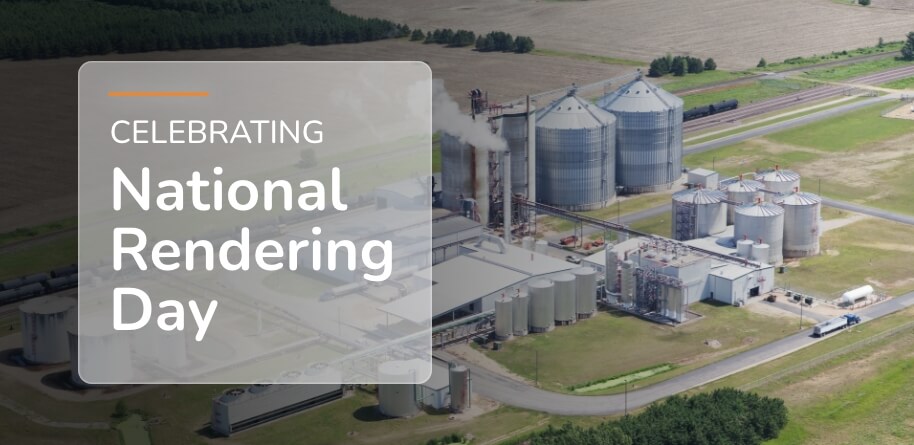
National Rendering Day Celebration

Celebrating National Rendering Day

National Rendering Day celebrates the work of rendering plants and the people who work there. It also raises awareness of the critical role that rendering plays in our lives and the impact that food waste has on our environment. Today, we encourage you to learn more about rendering and how it can transform your community. […]

Read More
Blog graphic showing compost material with text about five flaws of commercial composting.

5 Flaws of Commercial Composting Nobody Tells You

Table of Contents: What Are the Pros and Cons of Composting? Why Composting Is Bad Composting Alternatives Understanding how waste management processes help or hinder the environment is crucial to human health and natural resources, and composting is one method businesses may want to reconsider. While commercial composting is a popular waste management method, it […]

Read More
Commercial kitchen blog graphic explaining how the rendering process helps reduce carbon emissions and food waste.

How the Rendering Process Is Reducing Carbon Emissions

Businesses that utilize rendering help to significantly reduce carbon emissions. The rendering process reduces the amount of organic waste that decomposes in landfills and instead uses that waste to produce useful products. Rather than wasting animal by-products, agricultural rendering recycles them and creates sustainable products. When your business utilizes rendering services, you can contribute your […]

Read More
Blog graphic featuring fresh produce with text about how to start a zero-waste grocery store.

How to Start a Zero-Waste Grocery Store

Table of Contents: What Is a Zero-Waste Grocery Store? Benefits of Zero-Waste Grocery Stores Are Zero-Waste Shops Commercially Viable? How to Start a Zero-Waste Store Starting a zero-waste grocery store is an excellent way to impact the environment positively. Reducing single-use plastic packaging and food waste can help you decrease your store’s contribution to landfills, […]

Read More
Food waste blog graphic explaining the benefits of converting food scraps into animal feed through recycling programs.

The Benefits of Converting Food Waste to Animal Feed

Table of Contents: What Is Food Waste? Why Is Reducing Food Waste Important? How Can We Reduce Food Waste With Animal Feed? The Benefits of Using Food Waste to Feed Animals Restaurants and businesses in the hospitality industry produce food waste from unsold food, uneaten prepared food and grease. Since this food is no longer […]

Read More
Blog graphic showing golden cooking oil with text about cold weather grease collection.

Cold Weather Grease Collection

Cooking oil and grease are essential ingredients for great-tasting food. Whether it’s chicken grease from a roast or olive oil for a stir-fry, most dishes in the food services industry use some form of cooking oil. However, once you’ve used the oil and grease, you may be wondering what to do with all the excess. If you operate in areas like New York […]

Read More
Blog graphic showing a car fuel nozzle with text about everything you need to know about biofuel.

Everything You Need to Know About Biofuel

Table of Contents: What Are Biofuels? Where Do Biofuels Come From? How Are Biofuels Used? Is Biofuel Renewable? Biofuels Pros and Cons Biofuel vs. Fossil Fuel Fuel powers the equipment people use every day, from cars and trucks to generators and powered field equipment. But often, people use fuel without a second thought about where […]

Read More
Grease trap overflowing blog graphic explaining common restaurant grease trap issues and maintenance needs.

Why Is the Grease Trap Overflowing?

Table of Contents: 5 Common Reasons Why Grease Traps Overflow How to Unclog a Grease Trap How to Prevent Your Grease Trap From Overflowing Grease trap overflow is a situation that you should address as soon as possible when it occurs. You can prevent your grease trap from overflowing by understanding how grease traps work […]

Read More
Blog graphic showing dry pet food with text asking what ingredients are in pet food.

What Ingredients Are in Pet Food?

Your pets are a part of the family, and as their owner, keeping them healthy and safe is a priority. However, pet owners must be aware of what they feed any animal, as their food is essential to their health. Finding the right pet food ingredients can provide them with a balanced diet. LEARN MORE […]

Read More
Blog graphic showing a commercial kitchen sink area with text about how restaurant grease traps work.

How Do Restaurant Grease Traps Work?

Table of Contents: What Is a Restaurant Grease Trap? How Does a Grease Trap Work? Understanding the Parts of a Grease Interceptor How to Avoid Grease Trap Clogs How Often Should You Clean Your Grease Trap? Maintaining Your Grease Trap With Total Grease Management® Most local governments have regulations in place requiring restaurants to use […]

Read More
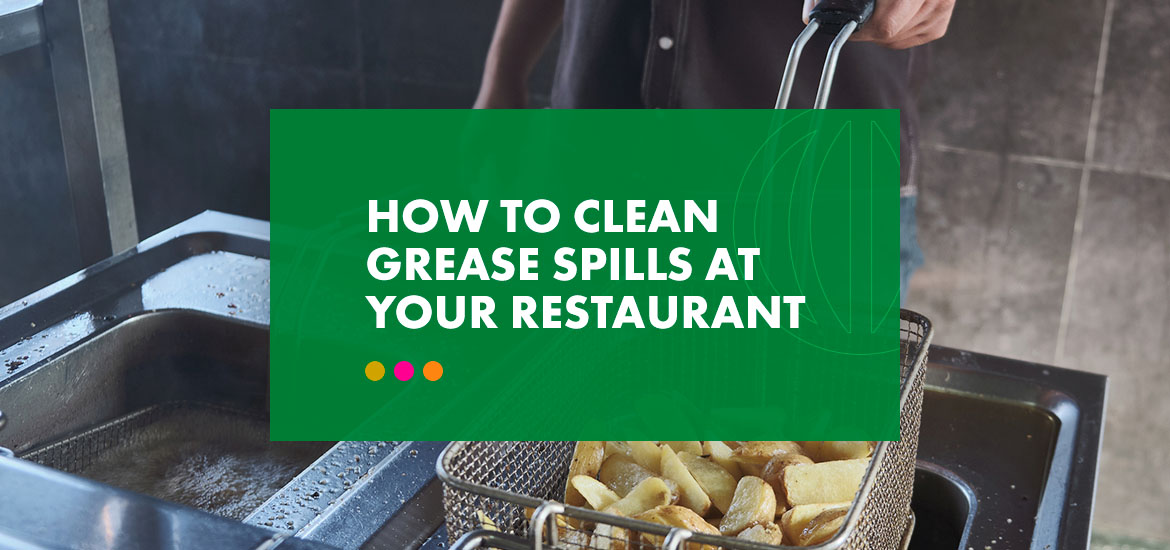
Blog graphic showing a fryer station with text about how to clean grease spills at a restaurant.

How to Clean Grease Spills at Your Restaurant

Table of Contents: How to Clean Up a Grease Spill Inside the Kitchen Cleaning Up Grease Spills Outside Creating a Spill Prevention and Cleanup Plan No matter how careful you might be, grease spills happen. Restaurants often require a large volume of grease to provide meals to their customers, and many have a designated bin […]

Read More

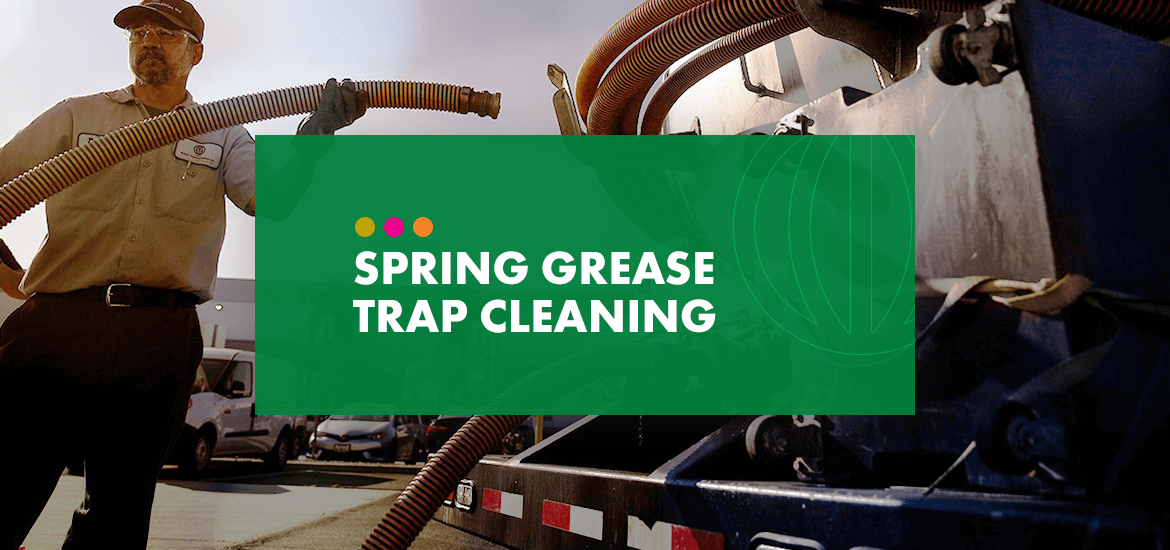
Blog graphic showing a grease collection truck with text about spring grease trap cleaning for restaurants.

Spring Grease Trap Cleaning

If you have a busy restaurant, catering business, hospitality company or any organization with a grease trap or interceptor, timing your grease trap pumping and cleaning is important to prevent backups, overflow, emergencies and premature equipment failure. Luckily, Baker Commodities can help. Learn More Why Grease Trap Cleaning and Management Is Essential in Spring How […]

Read More

Blog graphic with a feather and text asking when rendering will be eligible for carbon credits.

When Will Rendering Be Eligible for Carbon Credits?

The rendering industry generates products from reusable materials with low economic value, helping reduce industrial wastes by recycling organic by-products. The many business advantages and the positive impacts on the environment are appealing for companies seeking to use a reliable method of reducing their projects’ carbon footprints. Learn More About Rendering Rendering has already been shown to […]

Read More
Blog graphic showing used cooking oil in fryer baskets with text about ways to dispose of oil.

What Are Ways to Dispose of Oil?

Many facilities use multi-gallon containers of cooking oil on a regular basis. As you can imagine, following proper guidelines is vital in these settings. There are several safe ways of disposing of oil. If you work with significant volumes of oil on a daily basis, discover how you can protect the environment and enhance operational efficiency. Why […]

Read More
rendering organic recycling

How Rendering Contributes to Baker Commodities’ Sustainable Organic Recycling

Though 50% of an animal is considered inedible by meat-eaters, that doesn’t mean these by-products are unusable. However, by using animal rendering in their facilities, food production companies can reuse these unpalatable animal parts and recycle them into valuable products. Animal rendering is the process of reclaiming unwanted meat, scraps and other waste products from grocery stores and other food and […]

Read More
Letter from our CEO regarding Affirmative Action & Equal Employment Opportunity Policies

View/Download the PDF

Read More
Professional headshot of a man in business attire against a neutral studio-style background.

Jim Andreoli II named Professional of the Year

We are very proud to congratulate Jim Andreoli II on being named Professional of the Year in Environmental Remediation in 2013 by the prestigious Who’s Who in Worldwide Branding. A press release was posted by the organization on March 18, recognizing Jimmy for showing dedication, leadership and excellence in environmental remediation.

Read More
Baker Commodities Long Beach recycling facility for rendering, grease collection, and sustainable processing operations.

Baker Cold Storage Facility – Long Beach

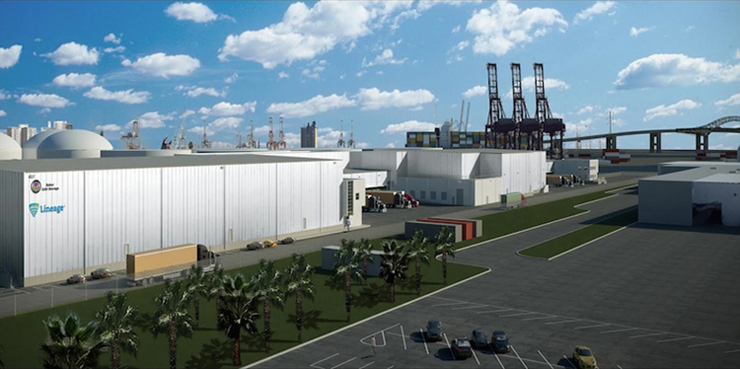
Baker Cold Storage (a wholly owned subsidiary of Baker Commodities, Inc.) and Colton, CA based Lineage Logistics (facility operator) announced last week that they are teaming up to build a brand new 250,000 square foot cold storage facility on private property within the Port District in Long Beach. This state-of-the-art facility (located in the “Over […]

Read More

Baker Commodities makes every day a "world environment day"