


How to Store Used Cooking Oil: Best Practices for Restaurants
Running a restaurant means managing a lot of moving parts. From staffing and inventory to food quality and customer service, every detail matters. One operational task that often gets less attention, but is just as important, is how your restaurant stores used cooking oil.
The good news is that storing used cooking oil safely and efficiently doesn’t have to be complicated. Here are practical tips restaurant managers can use to keep things running smoothly.
Why Proper Used Cooking Oil Storage Matters
Proper used cooking oil storage plays an important role in keeping your restaurant operating smoothly. Let’s look at a few ways the right storage practices support a safe, clean, and efficient kitchen.
Protects Staff Safety
Hot oil and busy kitchens can be a risky combination if proper procedures aren’t followed. Poorly stored oil can create slip hazards, spills, and burn risks for employees.
Containers that overflow or leak can make floors dangerously slick. Proper storage systems help reduce accidents and keep your team safe.
Helps Maintain Health and Safety Compliance
Health departments and local municipalities often have clear rules about grease and oil handling. Improper storage—such as leaking containers, exposed oil, or poorly maintained storage areas—can raise concerns during inspections.
A clean, well-managed storage system shows that your restaurant is taking responsible steps to handle waste and maintain sanitary conditions. Partnering with an experienced and reputable collection provider, such as Baker Commodities, can also help support compliance. Companies that regularly work with health departments understand local requirements and can help ensure your grease and oil management practices meet inspection standards.
Keeps Your Property Clean and Odor-Free
Used cooking oil that sits uncovered or spills around the storage area can quickly create odor problems. It can also attract pests like rodents and insects.
Containment tanks help keep cooking oil stored properly and prevent unpleasant smells from spreading around your restaurant or neighboring businesses.
Supports Recycling and Sustainability
Used cooking oil is a valuable resource. When collected properly, it can be recycled into renewable diesel, biodiesel, livestock feed ingredients, and other industrial products.
Keeping oil clean and uncontaminated ensures it can be processed effectively after pickup.
Choose the Right Used Cooking Oil Storage System
One of the most important decisions is selecting the right storage system for your operation.
Outdoor Cooking Oil Containers
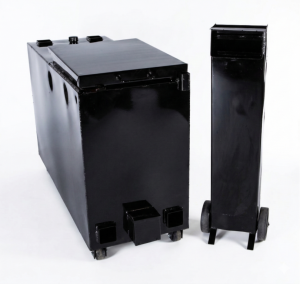
Outdoor cooking oil containers are one of the most common solutions for restaurants.
These containers are typically placed in service areas near dumpsters or loading zones so collection trucks can easily access them.
Benefits include:
- Larger storage capacity
- Convenient access for pickup services
- Reduced indoor space requirements
Outdoor containers work especially well for high-volume restaurants that generate significant amounts of fryer oil.
Indoor Containment Tanks
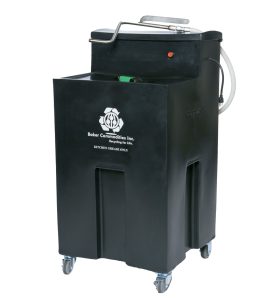
Indoor oil containment systems are becoming increasingly popular, especially in busy commercial kitchens.
These systems often use pumps to move oil directly from the fryer to a specialized storage tank.
Advantages include:
- Reduced spill risks
- Improved cleanliness
- Easier oil transfer from fryers
- Better security against theft
Indoor containment systems may also provide additional operational benefits. In some cases, insurance providers recognize the reduced risk of spills and accidents associated with indoor storage systems. For example, certain restaurant operators have received insurance discounts for installing advanced containment tanks, such as Baker Commodities’ C2 series systems.
Indoor systems are particularly useful in urban environments where outdoor storage space may be limited.
Selecting the Right Container Size
Storage capacity should match the volume of oil your restaurant generates.
A container that’s too small may fill up quickly and risk overflow. On the other hand, oversized tanks may allow oil to sit too long before collection.
Baker Commodities can help determine the ideal container size based on your fryer volume and pickup schedule.
Allow Oil to Cool Before Storage
One of the most important safety rules is allowing oil to cool before transferring it to a storage container.
Why Cooling Matters
Hot oil can cause serious burns and may damage certain containers. It can also create excessive fumes or odors when stored.
Allowing oil to cool reduces these risks and makes the transfer process safer for staff.
Best Practices for Oil Transfer
Restaurants can improve safety during oil handling by following a few simple practices:
- Allow fryers to cool before draining oil
- Use proper containers or transfer equipment designed for hot liquids
- Train staff on safe oil handling procedures
Many kitchens use dedicated oil transfer systems or containers that allow staff to move used oil safely into storage tanks without carrying open containers across the kitchen.
Prevent Used Cooking Oil Contamination
Keeping used cooking oil clean is essential for recycling and rebate value.
Keep Water Out of the Oil
Water is one of the most common contaminants in used cooking oil storage.
Water can come from:
- Rain entering outdoor containers
- Cleaning activities
- Ice or frozen food products
Even small amounts of water can complicate the recycling process.
Avoid Food Debris and Trash
Use food scrapers to clean grills and fryers of debris before emptying oil, skimming fryers to remove debris once cooled.
Contamination can reduce oil quality and make it harder to recycle.
To prevent this, many restaurants label oil containers clearly and train employees on proper disposal procedures.
Avoid Food Debris and Trash
Simple staff training can prevent most contamination issues.
Make sure your team understands:
- Which containers are for oil only
- How to transfer oil safely
- Why contamination matters
Clear instructions and consistent procedures make oil storage easier for everyone.
Secure Your Used Cooking Oil Storage Area
Many restaurant managers are surprised to learn that used cooking oil theft is a real issue.
Because UCO is used to produce renewable fuels, it has real market value.
Prevent Oil Theft
Restaurants can reduce theft risk by:
- Using lockable containers
- Placing tanks in visible areas
- Installing lighting around storage areas
- Working with a trusted collection partner
Security measures help ensure the oil your restaurant produces remains part of the legitimate recycling supply chain.
Keep the Storage Area Clean
A clean oil storage area makes a big difference for safety and professionalism.
Maintain the Surrounding Area
Regularly check the area around your container for spills or residue. Cleaning spills quickly helps prevent slip hazards and odors.
Keeping pavement and surrounding surfaces clean also improves the appearance of your property.
Protect Drains and Waterways
Oil should never enter storm drains or sewer systems.
Ensure containers are closed and positioned properly so rainwater runoff doesn’t carry oil into nearby drainage systems.Protecting local waterways is an important part of responsible grease management.
Schedule Regular Used Cooking Oil Pickup
Even the best storage system needs regular collection.
Monitor Tank Levels
Restaurants should keep an eye on how quickly their containers fill. Contact Baker Commodities when the tank is about three-quarters full so it can be serviced on the next scheduled route.
Pickup schedules often vary depending on factors like:
- Fryer volume
- Menu type
- Seasonal demand
- Container size
High-volume kitchens may need weekly pickups, while smaller operations may only require monthly service.
Work With an Experienced Collection Provider
Baker Commodities, a professional used cooking oil collection provider, can help determine the best pickup schedule for your restaurant.
Reliable service ensures containers are emptied before they become a problem and helps maintain smooth operations.
Contact Baker Commodities for Used Cooking Oil Storage and Collection
Used cooking oil storage may not be the most glamorous part of restaurant management, but it plays an important role in keeping your kitchen running smoothly.
With the right containers, proper staff training, and regular pickup service, managing UCO becomes a simple routine that helps protect your kitchen, your employees, and your property.
By following these best practices, restaurant managers can keep their oil storage systems safe, efficient, and ready for reliable recycling. If you’d like help setting up or improving your used cooking oil collection program, contact Baker Commodities to learn more.