

Grease Management and Health Department Compliance
Grease management is not just one back-of-house task. For a commercial kitchen, it includes used cooking oil collection, grease trap and interceptor service, clean storage areas, drain protection, documentation, and fast response when something goes wrong.
This article covers how these pieces work together as part of Total Grease Management® so restaurants, cafeterias, hotels, grocery stores, and other foodservice operations can reduce clogs, odors, pests, failed inspections, wastewater issues, and operational shutdowns.
Need a Grease Program That Is Inspection‑Ready?
Baker Commodities can help foodservice operators coordinate used cooking oil collection, grease trap and interceptor pumping, drain cleaning, preventive maintenance, records support, and emergency response through a customized Total Grease Management® program.
Helpful links: Explore Total Grease Management® | Contact Baker Commodities
Why Grease Management Matters for Foodservice Businesses
Grease Issues Can Move Quickly From Inconvenience to Compliance Risk
As dishes, pans, fryer baskets, utensils, and food prep equipment are cleaned, small amounts of fats, oils, and grease can enter drains. Over time, that buildup can harden inside pipes, restrict flow, create odors, and contribute to backups.
At the same time, used cooking oil that is left in open, leaking, unsecured, or overflowing containers can create spills, slip hazards, pest pressure, odor complaints, and sanitation concerns around the kitchen, loading area, dumpster pad, or exterior storage space.
Compliance Protects Revenue and Reputation
Proper grease management helps protect more than the plumbing system. It helps your kitchen stay operational, reduce the risk of fines or failed inspections, and demonstrate that grease waste is being collected, stored, serviced, and documented responsibly.
What This Blog Covers: Grease, Traps, and Interceptors
Grease compliance can be confusing because the word “grease” may refer to more than one area of the operation. In this article, grease management includes:
- Used cooking oil collection: fryer oil and yellow grease that is stored in an approved container for recycling.
- Grease traps and interceptors: systems that separate fats, oils, grease, solids, and wastewater before they can reach sewer lines.
- Drain and plumbing maintenance: cleaning and preventive service that helps keep grease-related buildup from turning into backups.
- Recordkeeping: service invoices, pickup history, pumping manifests, cleaning logs, and documentation that may be requested by inspectors or wastewater authorities.
Related Baker service pages: Grease Collection | Grease Trap & Interceptor Pumping | Jetting & Drain Cleaning.
Common Sources of FOG in Commercial Kitchens
The most common sources of fats, oils, and grease include:
- Fryers and fryer baskets
- Meat drippings and proteins
- Dairy products
- Sauces, gravies, and dressings
- Butter, shortening, and cooking oils
- Food scraps and plate waste
- Mop sinks, floor drains, and dishwashing areas
These materials are part of everyday foodservice operations, but they can create serious sanitation, safety, and compliance problems when they are poured down drains, left around work areas, or managed without a consistent service plan.
Health Department Concerns Related to Grease Management
- Sanitation and cleanliness: Grease residue on floors, walls, equipment, mop sinks, or dumpster pads can create unsanitary conditions.
- Pest attraction: Grease and food residue can attract rodents, flies, cockroaches, raccoons, and other pests.
- Odor control: Neglected grease traps, interceptors, trash areas, and oil storage containers can create strong odors that affect employees, customers, and neighboring businesses.
- Cross-contamination risks: Leaking containers, overflowing grease areas, dirty mop sinks, and greasy prep surfaces can increase contamination concerns.
- Wastewater compliance: Improperly maintained traps and interceptors can contribute to backups, discharge problems, and local wastewater violations.
How Baker’s Total Grease Management® Program Helps
Baker Commodities’ Total Grease Management® program gives foodservice businesses a coordinated way to manage the grease-related tasks that often get handled separately. Instead of treating used cooking oil, trap service, drain cleaning, emergency response, and records as disconnected issues, Baker can help build a service approach around your kitchen’s volume, layout, equipment, and compliance needs.
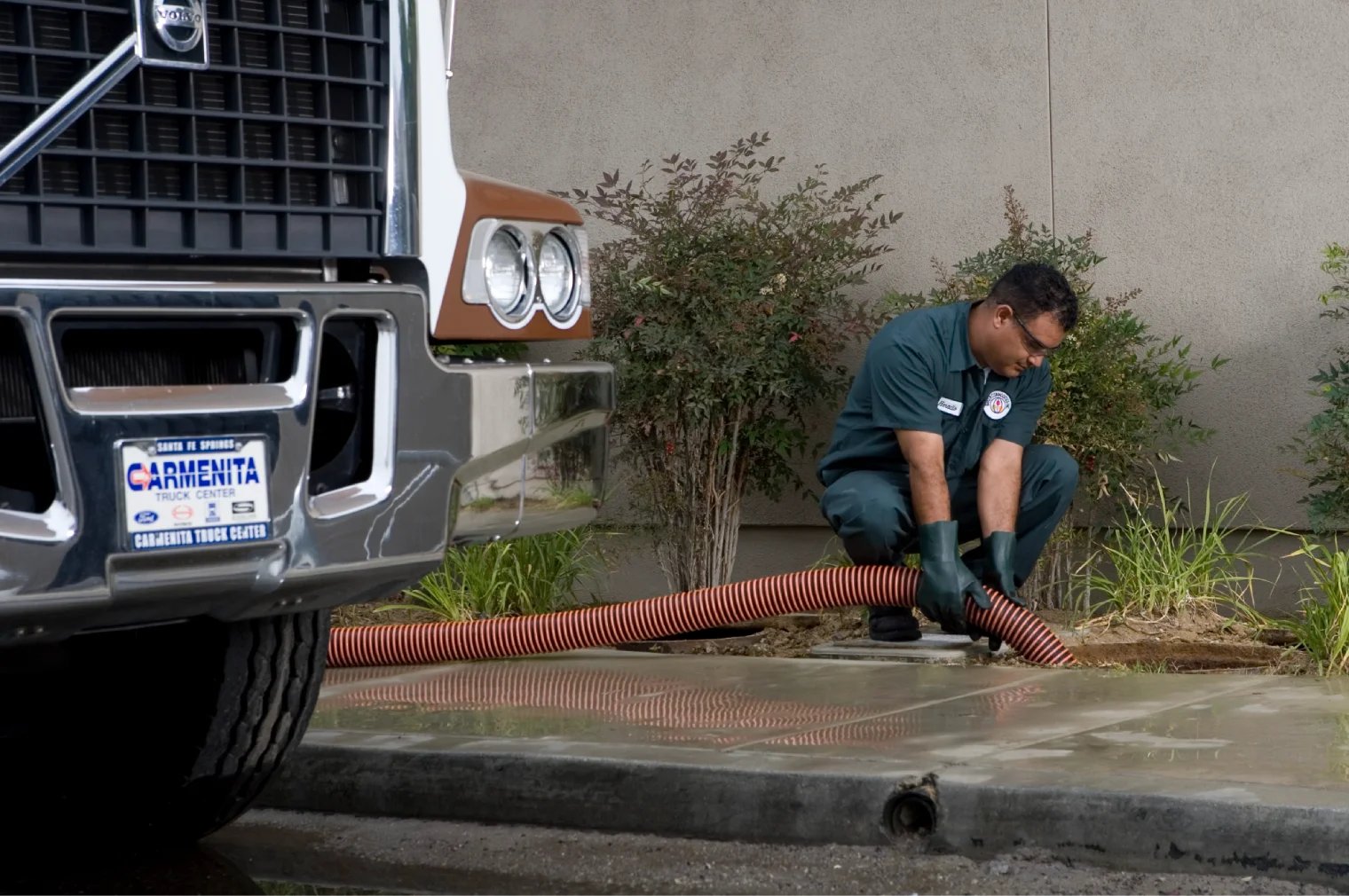
- Used cooking oil pickup: Regular collection helps reduce overflow, spills, odors, and unsecured oil storage issues.
- Grease trap and interceptor pumping: Scheduled service helps prevent overfilled systems, backups, discharge issues, and last-minute inspection problems.
- Drain cleaning and hydrojetting: Professional drain cleaning can help remove grease buildup and support a more reliable plumbing network.
- Preventive maintenance: Routine inspections and service can identify small problems before they become emergency calls or shutdowns.
- Equipment options: Baker can recommend indoor containment tanks, outdoor containers, drain filters, lock systems, and other equipment based on your space and grease volume.
- Customer Portal records access: Existing customers can access account and service information through the Baker Customer Portal, which supports faster record retrieval when documentation is needed.
- Customer Care support: If an inspector is onsite or documentation is requested, Baker Customer Care can help customers locate service information and address grease-related service questions.
- Emergency response: When grease-related backups, odors, overflows, or shutdown risks occur, Baker can help customers respond quickly with the right service path.
Useful links: Total Grease Management® | Customer Portal | Contact Customer Care.
Turn Grease Compliance Into a Managed System
A strong grease program should not depend on a manager remembering every pickup, pumping, cleaning, and invoice. Baker helps make grease management more reliable with scheduled service, documentation support, equipment options, and responsive customer care.
Helpful links: Build a Total Grease Management® plan | Request service support
The Compliance-Ready Grease Management Loop
Collect
Used cooking oil in secure, closed container
Baker: scheduled used cooking oil pickup and container options.
Pump
Traps & interceptors before overload
Baker: grease trap and interceptor pumping with service documentation.
Clean
Drains, mop sinks, fryer areas, dumpster pads
Baker: drain cleaning, hydrojetting, power washing, maintenance.
Document
Keep service records accessible
Invoices, manifests, service history, Customer Portal.
Respond
Odor, backup, overflow, shutdown risks
Customer Care and emergency service coordination.
Common Grease Management Mistakes That Lead to Violations
- Pouring grease down the drain: Hot water, soap, and degreasers do not eliminate the risk of buildup inside pipes.
- Waiting too long to clean traps or interceptors: Overfilled systems can stop working properly and contribute to backups, odors, or discharge problems.
- Using poor used cooking oil storage practices: Open containers, missing lids, leaking bins, overflowing containers, and unsecured access points can create spills and inspection concerns.
- Not having records ready: Inspectors or wastewater authorities may request proof of grease trap service, used cooking oil pickups, cleaning logs, or related documentation.
- Not training staff: Employees should know what goes into the trash, what goes into the used oil container, what should be scraped before washing, and what should never go down the drain.
Best Practices for Staying Compliant
- Create a written grease management plan that covers both used cooking oil and grease traps/interceptors.
- Schedule regular used cooking oil pickups before containers overflow.
- Schedule grease trap and interceptor pumping based on kitchen volume, local requirements, and system performance.
- Scrape plates, pans, trays, and cookware before washing.
- Keep fryer areas, mop sinks, floor drains, dumpster pads, loading zones, and oil storage areas clean.
- Use secure indoor or outdoor containers that fit your kitchen’s grease volume and available space.
- Keep records organized and accessible for inspections or wastewater questions.
- Train employees during onboarding and refresh training when procedures, staff, or equipment changes.
What to Check Before a Health Inspection
Before an inspection, walk through your kitchen and exterior service areas like an inspector. Check that:
- Grease containers are closed, secure, labeled, and not overflowing.
- Used cooking oil storage areas are clean and free of spills.
- Grease traps and interceptors are not producing odors or showing signs of backup.
- Floors, drains, mop sinks, fryer areas, and prep areas are clean.
- Dumpster pads, loading zones, and exterior grease storage areas are free of oil trails.
- Service records, invoices, manifests, pickup history, and cleaning logs are ready to review.
- Managers know who to contact if an inspector requests additional grease-related documentation.
📌 The Bottom Line
Grease management works best when it becomes a repeatable system rather than a last-minute scramble. When staff know what to do, containers are serviced before they overflow, traps and interceptors are maintained on schedule, and records are easy to find, inspections become less stressful and grease-related problems are less likely to interrupt your business. Total Grease Management® turns compliance into a competitive advantage.
Ready to Simplify Grease Compliance?
Contact Baker Commodities to discuss a Total Grease Management® program for used cooking oil collection, trap and interceptor service, records support, and responsive customer care.
The key to grease management and health inspections? Make it a repeatable system. Baker Commodities is ready to help.